Understanding Chicago Weather: Climate Patterns and Microclimates
Chicago features a humid continental climate (Köppen climate classification Dfa) characterized by four distinct seasons, severe temperature swings, and microclimates driven by Lake Michigan. The city’s geography plays a dominant role in shaping daily weather. Lake Michigan acts as a massive thermal reservoir, creating significant weather variances between waterfront neighborhoods and western sub-urban areas.
During spring and early summer, the lake keeps coastal areas significantly cooler than inland regions—a phenomenon locally described as “cooler near the lake.” In late autumn and winter, the warmer lake water alters local cold fronts, occasionally moderating temperatures directly along the shoreline while triggering concentrated bands of lake-effect snow downwind.
Seasonal Weather Overview and Thermal Cycles
Chicago’s weather demands active preparation across all four seasons due to extreme winter freezes, rapid spring thawing, summer humidity, and severe autumn weather shifts.
Winter (December through February)
Winter in Chicago brings freezing temperatures, persistent snowfall, and periodic polar vortex events that drop ambient temperatures well below 0°F. Arctic air masses sweeping down from Canada interact with moist air off Lake Michigan, producing intense lake-effect snow bands. The city averages over 50 freeze-thaw cycles per winter season, where daily temperatures fluctuate above and below 32°F (0°C), driving environmental stress across infrastructure and residential structures.
Spring (March through May)
Spring is marked by volatile thermal transitions and heavy rainfall. Rapid thaws in March often combine with rain to saturate local clay soils. High winds and sudden temperature shifts of 30°F or more within a 24-hour window are common as warm midwestern air masses clash with cold northern lake breezes.
Summer (June through August)
Summers are warm to hot and humid, with peak temperatures frequently exceeding 90°F. High atmospheric humidity combined with urban heat island effects elevates nighttime temperatures. Summer convective storms frequently generate heavy downpours, localized flash flooding, and strong wind gusts, making continuous flood protection and structural defense vital for low-lying homes.
Autumn (September through November)
Autumn brings moderate temperatures and drier air, making early fall the most stable climatic period. However, by late October and November, sudden cold fronts bring the season’s first hard frosts and freezing rain, signaling the return of the freeze-thaw cycle.
How Chicago Weather Affects Local Architecture
The intense thermal fluctuations of Chicago weather exert continuous physical stress on structural materials. Understanding how local climate conditions interact with specific Chicago building archetypes is essential for long-term preservation, as well as developing precise construction estimating models for ongoing structural repairs.
The Mechanics of Masonry Degradation
When moisture enters porous building materials like brick, limestone, mortar, or concrete, it settles within microscopic cavities. As ambient temperatures drop below freezing, trapped water expands by approximately 9%. This volumetric expansion exerts internal hydraulic pressure against the material walls. Over dozens of seasonal cycles, this pressure leads to:
- Spalling: Fracturing and popping of exterior brick faces.
- Mortar Deterioration: Crumbling and recessed mortar joints that allow deeper water infiltration.
- Efflorescence: White, powdery salt deposits left on surfaces as water migrates through masonry and evaporates.
| Damage Type | Primary Weather Driver | Visual Indicators | Target Repair Strategy |
|---|---|---|---|
| Brick Spalling | Porous brick saturated during freeze-thaw cycles | Flaking, chipping, or missing brick surfaces | Replace damaged units; apply breathable silane/siloxane water repellents. |
| Mortar Deterioration | Thermal shock and moisture expansion | Crumbled, recessed, or powdering mortar joints | Grind out loose material and perform tuckpointing using historically matched mortar. |
| Step Cracking | Frost heave in saturated clay foundation soils | Diagonal, stair-step cracks along mortar lines | Improve grade drainage, install crack injections, and ensure foundation drainage. |
| Foundation Efflorescence | Sub-grade hydrostatic pressure from spring rain/thaw | White powdery crystalline deposits inside basement walls | Re-slope exterior soil, seal foundation walls, and ensure active sump pump drainage. |
Impact on Classic Chicago Building Archetypes
Different historical building styles across Chicago respond to local weather conditions in distinct ways. Property owners renovating an inherited house or managing older architectural structures must prioritize addressing weather-related deterioration before undertaking interior upgrades:
- Historic Brick Two-Flats & Four-Flats: Built primarily between 1900 and 1930, these structures use soft, lime-based mortar. Applying modern Portland cement during repair traps moisture within historic bricks, accelerating spalling during winter freezing.
- Stone-Fronted Greystones: The permeable Bedford limestone facades on greystones readily absorb wind-driven rain off Lake Michigan. Without proper capstone flashing and mortar maintenance along parapet walls, water penetrates behind the stone veneer.
- Classic Brick Bungalows: Featuring expansive clay soil under shallow footings, bungalows are susceptible to foundation settlement and basement wall bowing when ground moisture freezes and expands (frost heave).
Actionable Seasonal Maintenance Checklists
To counteract the continuous wear caused by Chicago’s weather, property owners should execute targeted maintenance every spring and autumn.
Autumn Pre-Winter Maintenance Checklist
- Drain Exterior Plumbing: Shut off interior valves for spigots, open outdoor faucets to drain residual water, and disconnect hoses.
- Inspect and Seal Masonry: Check parapets, chimneys, and exterior brick for cracked mortar. Tuckpoint deteriorating joints before freezing moisture causes further splitting.
- Clear Roofs and Gutters: Remove leaves and debris from gutters and downspouts. Ensure downspout extensions discharge water at least 5 feet from foundation walls.
- Insulate Critical Gaps: Seal basement rim joists with rigid insulation or expanding foam to block arctic air infiltration. Verify attic insulation meets R-49 to R-60 standards to prevent ice dams.
- Service HVAC Systems: Schedule furnace inspections and replace air filters before persistent sub-zero weather sets in.
Spring Post-Winter Inspection Walkthrough
- Examine Exterior Masonry: Scan for fresh brick spalling, damaged stone lintels above windows, or washed-out mortar lines.
- Inspect Roofs and Flashing: Look for lifted asphalt shingles, blistered flat-roof membranes, or damaged flashing around chimneys and skylights.
- Check Flatwork and Driveways: Inspect concrete stoops, sidewalks, and driveways for frost heave displacement or surface scaling.
- Evaluate Basements: Check foundation walls for water staining, dampness, new hairline cracking, or crystalline efflorescence following the spring thaw.
Frequently Asked Questions
What causes lake-effect snow in Chicago?
Lake-effect snow occurs when extremely cold arctic air moves across the relatively warmer, open waters of Lake Michigan. The warm water heats the lowest layer of air and adds moisture. As this buoyant air rises and moves over the cold land surface, it condenses rapidly into heavy, concentrated snow bands downwind.
How many freeze-thaw cycles does Chicago experience each year?
Chicago typically experiences between 40 and 60 freeze-thaw cycles per year, primarily concentrated between November and April. This high frequency creates severe stress on roads, concrete flatwork, and brick masonry.
Why is lime mortar necessary for historic Chicago brick homes?
Homes built prior to the 1950s used softer, permeable lime-based mortar paired with soft clay bricks. Lime mortar allows trapped moisture to evaporate naturally. Modern Portland cement mortar is rigid and impermeable; using it on historic structures forces trapped water to escape through the brick itself, causing the brick face to fracture during winter freezes.
When is severe weather season in Chicago?
While severe cold dominates winter, severe convective storms peak between May and August. Spring and summer storms can bring high winds, hail, heavy rain, and occasional tornadoes to the northern Illinois region.
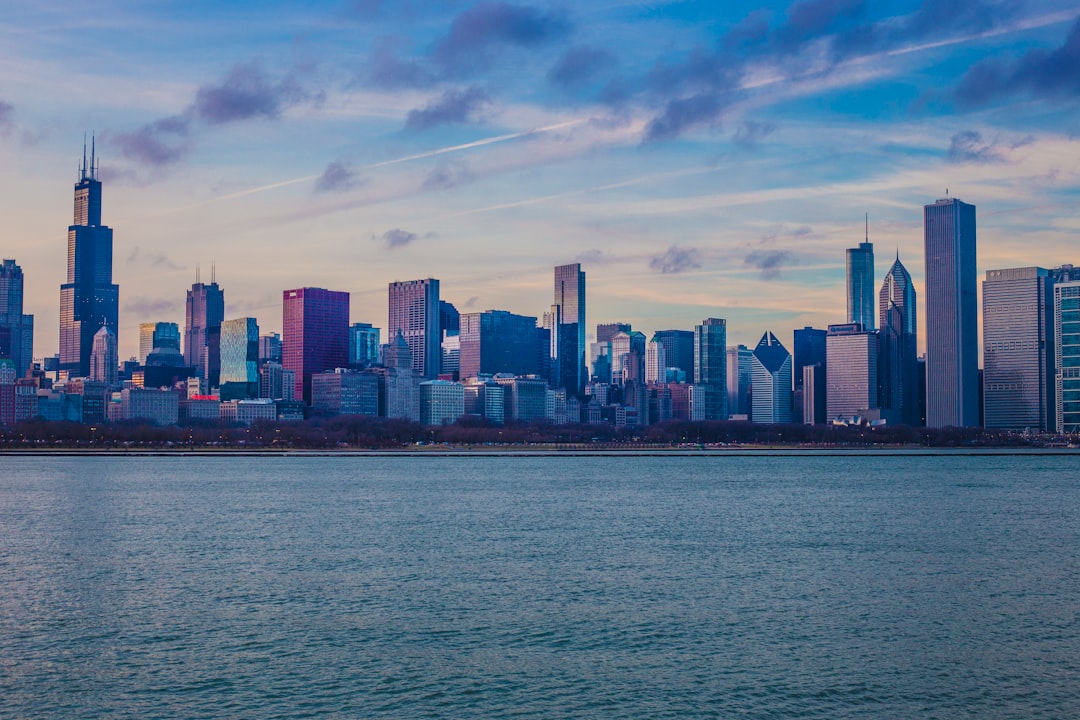
Photo by Jeff Brown on Unsplash.