Introduction
In the dynamic world of construction, success hinges on meticulous planning and precise execution. Before a single shovel breaks ground or a brick is laid, a critical process determines the financial viability and strategic direction of any project: construction estimating. Far more than just guessing costs, accurate construction estimating is the bedrock upon which profitable projects are built, risks are mitigated, and stakeholder trust is earned. For contractors, developers, and clients alike, understanding the intricacies of this process is paramount.
This article delves into the vital role of construction estimating, exploring its components, methodologies, and the tangible benefits it brings to every construction endeavor. We’ll uncover how expert estimation, coupled with detailed quantity takeoffs, transforms uncertainty into clarity, allowing for smarter decision-making and superior project outcomes.
What is Construction Estimating?
Construction estimating is the process of forecasting the costs of a construction project. It involves calculating the total expenses required to complete a project, from the initial design phase through to final completion. This includes everything from labor and materials to equipment, permits, and overheads. The goal is to provide a realistic and accurate projection that serves as a budget guide, a basis for bids, and a tool for financial planning.
While often used interchangeably, it’s important to distinguish between construction estimating and quantity takeoffs, though they are intrinsically linked:
- Construction Estimating: The broader process of assigning monetary values to all aspects of a project. It uses the data from quantity takeoffs and adds costs for labor, equipment, overheads, profit, and contingencies.
- Quantity Takeoffs: The process of measuring and calculating the specific quantities of materials and labor required for a project, directly from architectural drawings and specifications. This forms the foundational data for the estimate.
Without precise quantity takeoffs, an accurate construction estimate is impossible. They are two sides of the same critical coin.
Why Accurate Construction Estimates Are Crucial
The impact of accurate construction estimating ripples through every phase of a project, influencing its trajectory and ultimate success. Here’s why it’s non-negotiable:
Budget Control and Financial Stability
An accurate estimate provides a clear financial roadmap. It helps set realistic budgets, preventing cost overruns that can derail projects and harm profitability. For clients, it ensures transparency and avoids unpleasant surprises, fostering trust and long-term relationships.
Risk Mitigation and Contingency Planning
Detailed construction estimating identifies potential cost risks early. By analyzing every component, estimators can factor in contingencies for unforeseen challenges, material price fluctuations, or schedule delays. This proactive approach minimizes financial exposure.
Competitive Bidding and Project Acquisition
In a competitive market, an accurate and well-supported estimate is your best tool for winning bids. Overestimate, and you lose the job; underestimate, and you lose money. Precision allows for competitive pricing while safeguarding profit margins.
Optimized Resource Allocation
Understanding the exact quantities of materials and labor needed helps in efficient resource planning. This means ordering the right amount of materials at the right time, scheduling labor effectively, and deploying equipment optimally, reducing waste and improving productivity.
Enhanced Stakeholder Confidence
Clients, investors, and financial institutions rely on solid estimates to make informed decisions. A professional, detailed construction estimate instills confidence, making it easier to secure funding and approvals.
The Process of Construction Estimating: A Step-by-Step Guide
Effective construction estimating follows a structured approach to ensure comprehensive coverage and accuracy.
1. Defining the Project Scope
Before any numbers can be crunched, a thorough understanding of the project’s scope, requirements, and specifications is essential. This involves reviewing architectural drawings, engineering plans, specifications, and client briefs. Clarifying expectations and identifying potential ambiguities at this stage saves significant rework later.
2. Detailed Quantity Takeoffs
This is where the meticulous measuring begins. Using blueprints, specifications, and sometimes even 3D models (BIM), estimators precisely calculate the quantities of every single item required. This includes:
- Site Work: Excavation, grading, landscaping.
- Foundations: Concrete, rebar, formwork.
- Structural Elements: Steel beams, columns, timber framing.
- Envelope: Walls (framing, sheathing, insulation, cladding), roofing materials, windows, doors.
- Interior Finishes: Drywall, paint, flooring, ceiling tiles, millwork.
- MEP Systems: Linear footage of piping/conduit, number of fixtures, equipment.
Every nut, bolt, square foot, and linear meter is accounted for. This is the backbone of the entire construction estimating process.
3. Pricing Labor, Materials, Equipment, and Subcontractors
Once quantities are known, costs are assigned. This involves:
- Material Costs: Obtaining current prices from suppliers, considering bulk discounts, delivery fees, and taxes.
- Labor Costs: Calculating man-hours required for each task, factoring in wages, benefits, and payroll taxes. This often varies by trade and location.
- Equipment Costs: Estimating rental or ownership costs for machinery, fuel, and maintenance.
- Subcontractor Bids: Soliciting competitive bids from various subcontractors for specialized trades like plumbing, electrical, HVAC, and specialized installations.
4. Including Overhead and Profit
Beyond direct project costs, every estimate must account for indirect expenses and profit margins:
- Project Overheads: Costs directly related to a specific project but not to a specific construction activity, such as project management salaries, site supervision, temporary facilities, insurance, and permits.
- General Overheads: Company-wide expenses not tied to a single project, like office rent, administrative staff salaries, utilities, and marketing.
- Profit Margin: The percentage added to the total cost to ensure the company’s financial viability and growth.
5. Factoring in Contingencies
No project is without its unknowns. A contingency fund, typically a percentage of the total project cost, is included to cover unexpected issues like design changes, unforeseen site conditions, or material price spikes.
6. Review and Finalization
The completed estimate undergoes a thorough review to check for accuracy, completeness, and adherence to project specifications. This often involves cross-referencing with historical data, benchmarking against similar projects, and internal team reviews before presenting it to the client or using it for bidding.
Tools and Technology for Modern Construction Estimating
The days of purely manual takeoffs and spreadsheet-only estimates are largely behind us. Modern construction estimating leverages advanced technology for greater speed, accuracy, and efficiency.
Building Information Modeling (BIM) Software
BIM models contain rich data beyond just geometry. Estimators can extract precise quantity takeoffs directly from a BIM model, significantly reducing manual errors and time. Changes in the model automatically update quantities, streamlining revisions.
Specialized Estimating Software
Dedicated estimating platforms offer features like comprehensive cost databases, integration with supplier pricing, automated takeoff tools, and robust reporting capabilities. These tools streamline the entire construction estimating workflow.
Digital Takeoff Software
Tools like Bluebeam Revu, Planswift, or On-Screen Takeoff allow estimators to perform takeoffs directly from digital blueprints (PDFs, CAD files). This eliminates paper plans, speeds up measurements, and improves accuracy.
Integrated Project Management Systems
Integrating estimating data with project management, scheduling, and accounting systems creates a holistic view of the project, facilitating better cost tracking and financial control throughout its lifecycle.
Practical Examples of Construction Estimating in Action
Residential Custom Home Project
Imagine estimating a 3,000 sq ft custom home. The estimator would perform detailed quantity takeoffs for:
- Foundation: Cubic yards of concrete, linear feet of rebar.
- Framing: Board feet of lumber for walls, floors, roof trusses.
- Exterior: Square feet of siding, roofing shingles, number of windows/doors.
- Interior: Square feet of drywall, flooring (tile, hardwood), linear feet of baseboards/crown molding, number of plumbing fixtures, electrical outlets, light fittings.
Each quantity is then multiplied by current unit costs for materials and labor, factoring in regional rates for skilled trades like carpenters, plumbers, and electricians.
Commercial Office Fit-Out
For an existing 10,000 sq ft office space needing a modern fit-out, construction estimating would involve:
- Demolition: Calculating waste removal for existing partitions, flooring, and ceilings.
- New Partitions: Linear feet of new wall framing, square footage of drywall, paint.
- Ceilings: Square feet of new acoustical ceiling tiles and grid system.
- Flooring: Square feet of new carpet tiles or LVT.
- MEP Modifications: Linear feet of new electrical conduit, data cabling, number of new light fixtures, HVAC duct modifications.
- Specialty Items: Custom millwork, reception desk, signage.
The complexity here often lies in coordinating multiple trades and ensuring minimal disruption to ongoing building operations, which also influences labor costs and scheduling.
Common Challenges in Construction Estimating and How to Overcome Them
Even with advanced tools, construction estimating presents challenges. Recognizing and addressing them is key to accuracy.
Incomplete or Ambiguous Plans
Often, initial plans lack detail or contain conflicting information. This ambiguity can lead to omitted items or incorrect quantities.
- Solution: Proactive communication with architects and engineers for clarification. Use Requests for Information (RFIs) early and document all assumptions.
Volatile Material Prices and Labor Shortages
Market fluctuations can quickly render an estimate outdated, especially on long projects. Labor availability and cost can also be unpredictable.
- Solution: Regularly update cost databases, factor in escalation clauses, and build in sufficient contingencies. Maintain strong relationships with suppliers and subcontractors for up-to-date pricing.
Scope Creep
Changes or additions to the project scope after the initial estimate can quickly inflate costs.
- Solution: Clearly define the scope at the outset and implement a robust change order management process. Document every deviation and its cost impact.
Lack of Experience or Historical Data
New estimators or companies entering new markets may lack the historical data crucial for accurate cost projections.
- Solution: Invest in training, leverage industry benchmarks, and partner with experienced construction estimating services. Build and maintain a comprehensive historical cost database over time.
The Value of Professional Construction Estimating Services
Given the complexity and critical nature of accurate construction estimating, many firms and individuals turn to specialized services. Engaging an expert team offers significant advantages:
- Unparalleled Expertise: Access to seasoned estimators with deep industry knowledge, understanding of current market rates, and experience across diverse project types.
- Enhanced Accuracy: Professionals utilize advanced software, proven methodologies, and extensive databases to produce highly reliable estimates, minimizing errors and omissions.
- Time and Resource Savings: Outsourcing estimating allows internal teams to focus on core competencies, saving valuable time and reducing the need for in-house specialized staff and software licenses.
- Risk Reduction: Expert estimators can identify potential pitfalls and suggest mitigation strategies, reducing financial exposure and improving project predictability.
- Competitive Edge: Accurate and well-supported bids increase the chances of winning projects while ensuring healthy profit margins.
For any construction project, from ground-up developments to intricate renovations, professional construction estimating is an investment that pays dividends in certainty, control, and ultimately, success.
Conclusion
In an industry where margins can be tight and risks are inherent, the role of expert construction estimating cannot be overstated. It is the compass that guides a project from concept to completion, ensuring financial viability, mitigating risks, and fostering confidence among all stakeholders. By meticulously detailing every component, from the smallest fastener to the largest structural element through precise quantity takeoffs, and then accurately assigning costs, construction estimating transforms uncertainty into a clear, actionable plan.
Embracing modern tools and partnering with skilled professionals for your construction estimating needs is not just a best practice—it’s a strategic imperative for achieving successful, profitable, and well-managed construction projects in today’s demanding market.
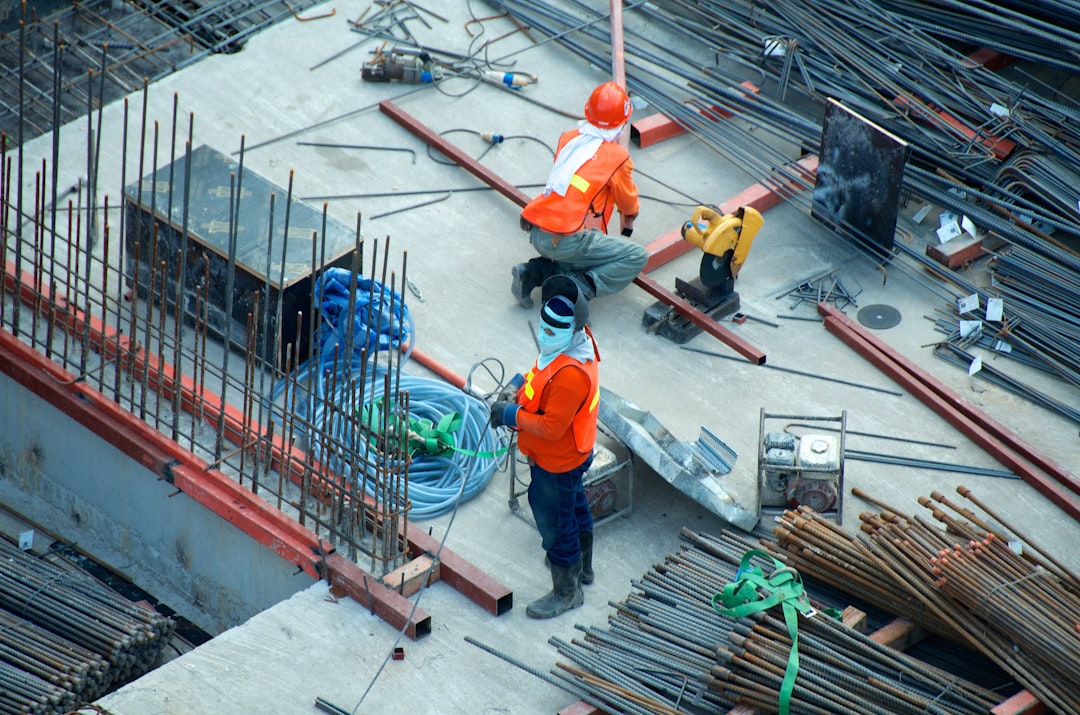
Photo by Etienne Girardet on Unsplash.