Introduction
In the complex world of construction, success hinges on meticulous planning and accurate financial foresight. At the heart of this lies construction estimating – a critical process that determines the probable cost of a project before any ground is broken. It’s more than just crunching numbers; it’s about predicting the future financial landscape of a build, ensuring profitability, mitigating risks, and fostering trust with clients.
Without precise construction estimating, projects can quickly spiral out of control, leading to budget overruns, delays, and dissatisfied stakeholders. For contractors, developers, and even homeowners embarking on a renovation, understanding the true cost upfront is paramount. This article delves into the intricacies of effective construction estimating, exploring its core components, benefits, modern tools, and best practices that pave the way for successful project delivery.
The Core Pillars of Effective Construction Estimating
A robust construction estimating process is built upon several foundational elements, each contributing to the overall accuracy and reliability of the final cost projection. Neglecting any of these pillars can compromise the entire estimate.
Detailed Scope Definition
Before any numbers can be assigned, a crystal-clear understanding of the project’s scope is essential. This involves thoroughly reviewing architectural drawings, specifications, and client requirements. Every detail, from the type of foundation to the finish of the fixtures, must be accounted for. Ambiguities in scope are a primary cause of inaccurate estimates and subsequent change orders.
For example, simply stating ‘kitchen renovation’ isn’t enough. A detailed scope would specify: type of cabinets (custom vs. semi-custom), countertop material (granite, quartz, laminate), appliance package (standard, professional grade), flooring type, lighting fixtures, and any structural modifications required. This level of detail ensures that every cost component is considered.
Accurate Quantity Takeoffs
Quantity takeoffs are the backbone of construction estimating. This process involves meticulously measuring and calculating the exact quantities of materials, labor, and equipment needed for each component of the project. It’s a precise, detailed exercise that leaves no stone unturned.
- Materials: Calculating cubic yards of concrete, square footage of drywall, linear feet of piping, number of electrical outlets, etc.
- Labor: Estimating the hours required for each task, considering different trades (carpenters, electricians, plumbers).
- Equipment: Determining the rental duration and operational costs for machinery like excavators, cranes, or scaffolding.
Using digital tools and BIM models has revolutionized this step, allowing for faster and more accurate takeoffs compared to traditional manual methods.
Realistic Cost Data
Having precise quantities is only half the battle; applying realistic unit costs is the other. This involves sourcing up-to-date pricing for materials, labor rates (including wages, benefits, and taxes), equipment rental costs, and subcontractor bids. Market fluctuations, supplier relationships, and regional differences can significantly impact these costs.
Expert estimators maintain extensive databases of current pricing and cultivate strong relationships with suppliers and subcontractors to obtain competitive and reliable quotes. Historical project data also plays a crucial role in validating current cost assumptions.
Contingency Planning
Even the most meticulously prepared estimate cannot account for every unforeseen circumstance. This is where contingency planning comes in. A contingency fund is a percentage added to the total estimated cost to cover unexpected expenses, such as:
- Unforeseen ground conditions (e.g., discovering rock during excavation).
- Weather-related delays.
- Minor design changes.
- Material price increases.
The size of the contingency typically ranges from 5% to 15% or more, depending on the project’s complexity, risk profile, and the level of detail available at the time of estimation.
Key Benefits of Precision Construction Estimating
Investing in accurate construction estimating yields substantial returns throughout a project’s lifecycle, benefiting all parties involved.
Enhanced Project Profitability
For contractors, precise estimates are directly linked to profit margins. Underestimating costs can lead to losses, while overestimating can make a bid uncompetitive. Accurate construction estimating ensures that all costs are covered, a reasonable profit margin is included, and the bid remains attractive.
Better Risk Management
By thoroughly analyzing all potential costs and incorporating contingencies, accurate estimates help identify and mitigate financial risks early on. This proactive approach prevents costly surprises and allows for strategic planning to address potential challenges.
Improved Client Trust and Communication
Providing a detailed and transparent estimate builds trust with clients. When clients understand exactly what they are paying for and why, they are more likely to feel confident in the contractor’s abilities. Clear communication about costs also minimizes disputes and fosters a collaborative relationship.
Streamlined Project Planning
A solid estimate serves as a foundational document for all subsequent project planning. It informs budgeting, scheduling, resource allocation, and procurement strategies. With accurate financial benchmarks, project managers can make informed decisions, ensuring resources are utilized efficiently.
Tools and Technologies Revolutionizing Construction Estimating
The digital age has transformed construction estimating from a manual, time-consuming task into a streamlined, data-driven process. Modern tools enhance accuracy, speed, and collaboration.
Advanced Estimating Software
Specialized construction estimating software offers powerful features that automate many aspects of the process. These platforms can:
- Perform rapid quantity takeoffs from digital drawings.
- Maintain extensive databases of material and labor costs.
- Generate detailed reports and proposals.
- Integrate with accounting and project management systems.
Examples include Bluebeam Revu, Planswift, and ProEst, which significantly reduce human error and improve efficiency.
Building Information Modeling (BIM) Integration
BIM technology has been a game-changer for construction estimating. By creating a 3D model that contains rich data about every building component, BIM allows for automated and highly accurate quantity takeoffs. Changes made to the model are instantly reflected in the estimate, facilitating dynamic cost management throughout the design phase.
For instance, if a designer changes the wall material in a BIM model, the estimating software linked to it can automatically update the quantities and costs for that material, as well as associated labor and finishes.
Cloud-Based Platforms
Cloud-based estimating solutions enable real-time collaboration among project teams, even across different locations. This ensures that all stakeholders are working with the most current data, fostering transparency and efficiency. Cloud platforms also provide secure data storage and accessibility from anywhere, anytime.
Best Practices for Robust Construction Estimating
Beyond tools and technology, adhering to best practices is crucial for consistent and reliable construction estimating.
Regular Data Updates
The construction market is dynamic. Material prices, labor rates, and equipment costs can fluctuate. Regularly updating cost databases is essential to ensure estimates remain accurate and competitive. This includes monitoring economic indicators, supplier price lists, and local labor market conditions.
Cross-Functional Team Collaboration
Effective construction estimating is rarely a solo effort. It benefits immensely from input from various project stakeholders, including architects, engineers, subcontractors, and project managers. Their insights can help identify potential issues, refine scope details, and provide more accurate cost data for specialized trades.
Historical Data Analysis
Leveraging data from past projects is an invaluable resource. Analyzing actual costs from similar completed projects can help validate current estimates, identify common cost overruns, and refine future pricing strategies. This institutional knowledge is a powerful tool for continuous improvement in construction estimating.
Continuous Review and Iteration
An estimate is not a static document. It should be reviewed and refined throughout the project’s early stages as more information becomes available. Early conceptual estimates will have a wider margin of error, which narrows as the design progresses and specifications become more concrete. Regular reviews ensure the estimate remains relevant and accurate.
The Role of Expert Support in Construction Estimating
For many businesses, particularly those with limited in-house resources or facing highly complex projects, leveraging external expertise in construction estimating can be a strategic advantage.
Bridging Skill Gaps
Specialized firms offer deep expertise in construction estimating, possessing up-to-date market knowledge, advanced software proficiency, and a vast database of cost information. They can bridge skill gaps within an organization, providing a level of accuracy and detail that might otherwise be unattainable.
Ensuring Accuracy and Efficiency
Outsourcing construction estimating to experts can significantly improve the accuracy and speed of the estimation process. This allows internal teams to focus on core competencies while ensuring that bids are precise and competitive.
Handling Complex Projects
Large-scale or highly specialized projects often require intricate estimating methodologies. Expert support can navigate these complexities, from detailed quantity takeoffs for unique architectural features to comprehensive BOQ and material estimation for entire building systems, ensuring every cost component is thoroughly accounted for.
Conclusion
Construction estimating is far more than a preliminary step; it is the financial blueprint that dictates a project’s viability and success. Precision in this process minimizes risks, maximizes profitability, and builds unwavering client confidence. By embracing detailed scope definition, accurate quantity takeoffs, realistic cost data, and robust contingency planning, construction professionals can lay a solid financial foundation for any endeavor.
Leveraging modern tools like advanced estimating software, BIM integration, and cloud platforms further enhances efficiency and accuracy. Coupled with best practices such as continuous data updates, collaborative teamwork, and historical analysis, businesses can achieve unparalleled control over project costs. Whether handled in-house or through expert external support, mastering construction estimating is indispensable for navigating the competitive landscape of the construction industry and delivering projects on time and within budget.
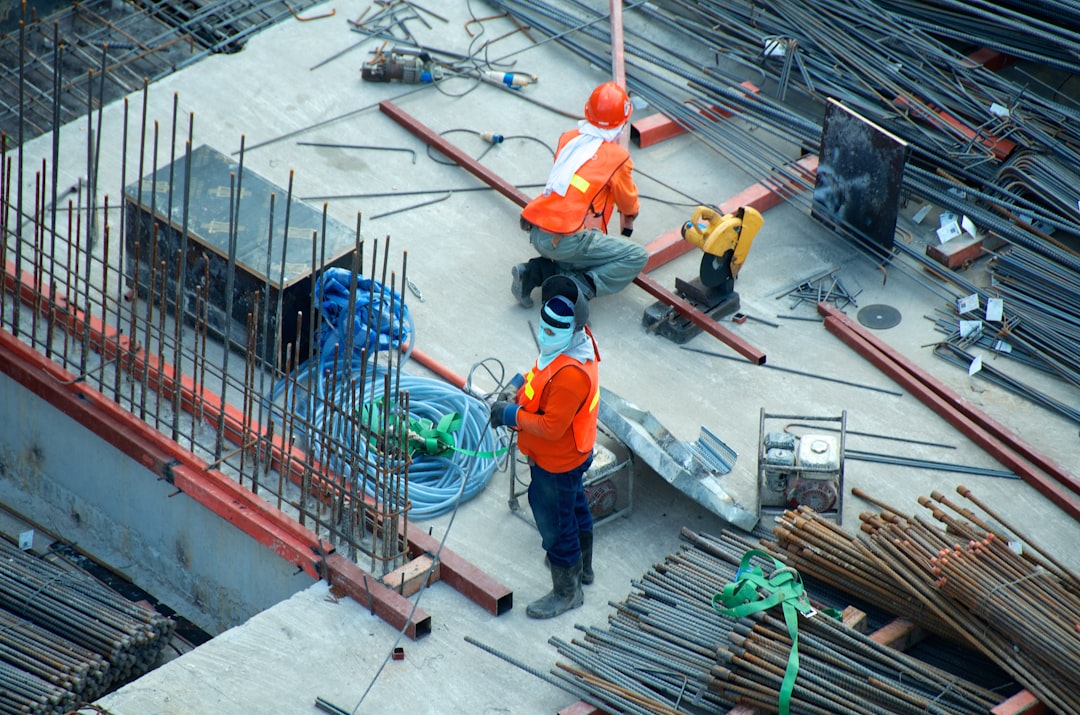
Photo by Etienne Girardet on Unsplash.